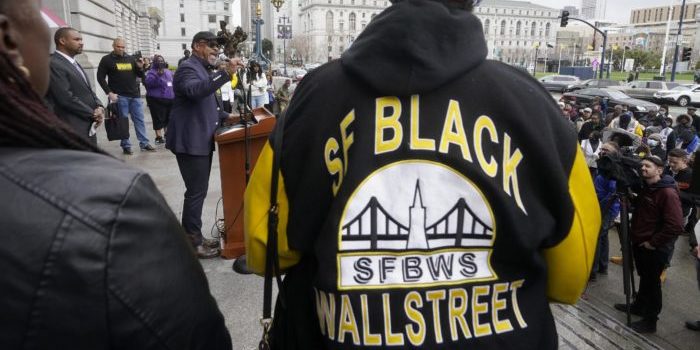
(Chris Woodward, The Center Square) A lawsuit is challenging a San Francisco ordinance that establishes a reparations fund for Black residents.
The ordinance, signed in December by San Francisco Mayor Daniel Lurie, a Democrat, is aimed at addressing systematic harms. Even so, the Pacific Legal Foundation said this is wrong.
“The purpose of the lawsuit is to make sure that the city and county of San Francisco is not spending taxpayer dollars on an unconstitutional, unlawful plan, which is the reparations plan,” Pacific Legal Foundation attorney Andrew Quinio told The Center Square this week. “By having the San Francisco Human Rights Commission administer the funds to implement this reparations plan, San Francisco is engaging in steps that will carry out a plan that violates the Constitution.”
Pacific Legal Foundation filed the pro bono lawsuit on behalf of San Francisco residents Richard “Richie” Greenberg and Arthur Ritchie, as well as the Californians for Equal Rights Foundation.
“I’ve been keenly paying attention to this issue of reparations for several years now, watching as city hall officials (and now the mayor) have consistently ignored law and constitutional rights of us taxpayers,” said Greenberg in a CFER news release. “I have reached out to the Board of Supervisors, the mayor, the city attorney, and the reparations committee itself to demand they cease wasting taxpayers’ money on this unconstitutional plan, and the time has come to bring them to court.”
According to a page on the Pacific Legal Foundation’s website, the ordinance stems from the African American Reparations Advisory Committee, which the city established in 2020 to develop proposals for reparations. In 2023, the committee released suggestions that included programs and benefits such as a one-time payment of $5 million, supplemental income for lower-income households, job and tuition assistance, and the elimination of student loan debt.
The African American Reparations Advisory Committee did not respond to The Center Square’s request for comment.
“You can’t treat people differently based on race. You can’t advantage or disadvantage people based on race, ethnicity and ancestry as the reparations plan does here,” Quinio told The Center Square during a phone interview. “San Francisco is using taxpayer dollars to bring that plan forward and make that plan come to fruition, and they can’t do that.”
The lawsuit is filed in San Francisco Superior Court, which is a state court.
Quinio, who is in Orange County, expects a response from San Francisco in the next month. Depending on how the city responds, Quinio said it might be another month before a judge decides motions.
The Center Square reached out to Mayor Lurie’s office for comment and was told it had not yet received the lawsuit.
“Once we are served, we will review the complaint and respond in court,” Jen Kwart, communications director at the Office of City Attorney David Chiu, told The Center Square.
Meanwhile, Quinio expressed hope the lawsuit will “demonstrate to other cities, counties or states that taxpayers take their taxpayer dollars very seriously,” not to mention the responsibilities of their governments.
“A lot of these cities and counties and states that are studying this are doing it really without regard for the public funds and resources that they are already putting behind these efforts,” said Quinio.