

(Dave DeCamp, Antiwar.com) Several US-allied nations have already publicly declined President Donald Trump’s request for them to send warships to the Middle East to help open the Strait of Hormuz, which is not being tightly controlled by the Iranian military.
“What does … Donald Trump expect a handful or two handfuls of European frigates to do in the Strait of Hormuz that the powerful US Navy cannot do?” German Defense Minister Boris Pistorius told reporters on Monday. “This is not our war, we have not started it.”
Japan, which is heavily reliant on oil transported through the Strait of Hormuz, also said it has no current plans to deploy warships to the region. “What is most important is to put our efforts, including our diplomatic efforts, into calming the situation,” said Japanese Defense Minister Shinjiro Koizumi.
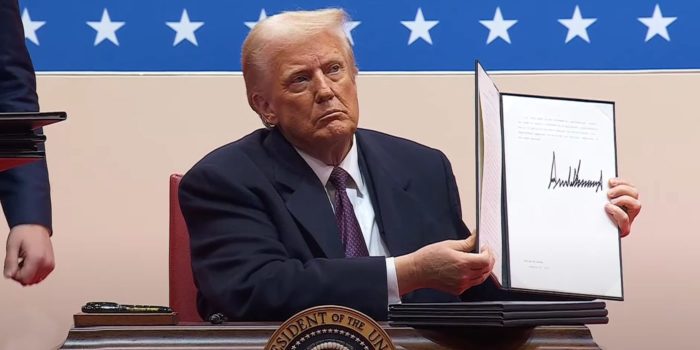
In a post on Truth Social over the weekend, President Trump said that Japan, China, France, the UK, South Korea, and others affected by the closure of the Strait of Hormuz should send ships to the region. He acknowledged on Monday that some countries aren’t “enthusiastic” about it while claiming that some are supportive of the idea.
“Some are very enthusiastic about it, and some aren’t. Some are countries that we’ve helped for many, many years. We’ve protected them from horrible outside sources, and they weren’t that enthusiastic. And the level of enthusiasm matters to me,” the president said.
British Prime Minister Keir Starmer said on Monday that the UK was in talks with allies on opening the Strait of Hormuz and suggested the possibility of using mine-hunting drones already deployed in the region, though he also stressed that London would “not be drawn into the wider war.”
Starmer also rejected the idea that NATO would ever launch a mission to open the Strait of Hormuz. Greece, another NATO member, also ruled out participating in military operations to open the waterway.
This article originally appeared at Antiwar.com.
