(Mike Maharrey, Money Metals News Service) Gold primarily functions as a financial asset; however, it has other practical uses, despite the ignorant assertion by some that it is a “useless metal.”
In the first quarter, 81.6 tonnes of gold were used in tech and industrial applications. That was a 1 percent increase from the first quarter last year.
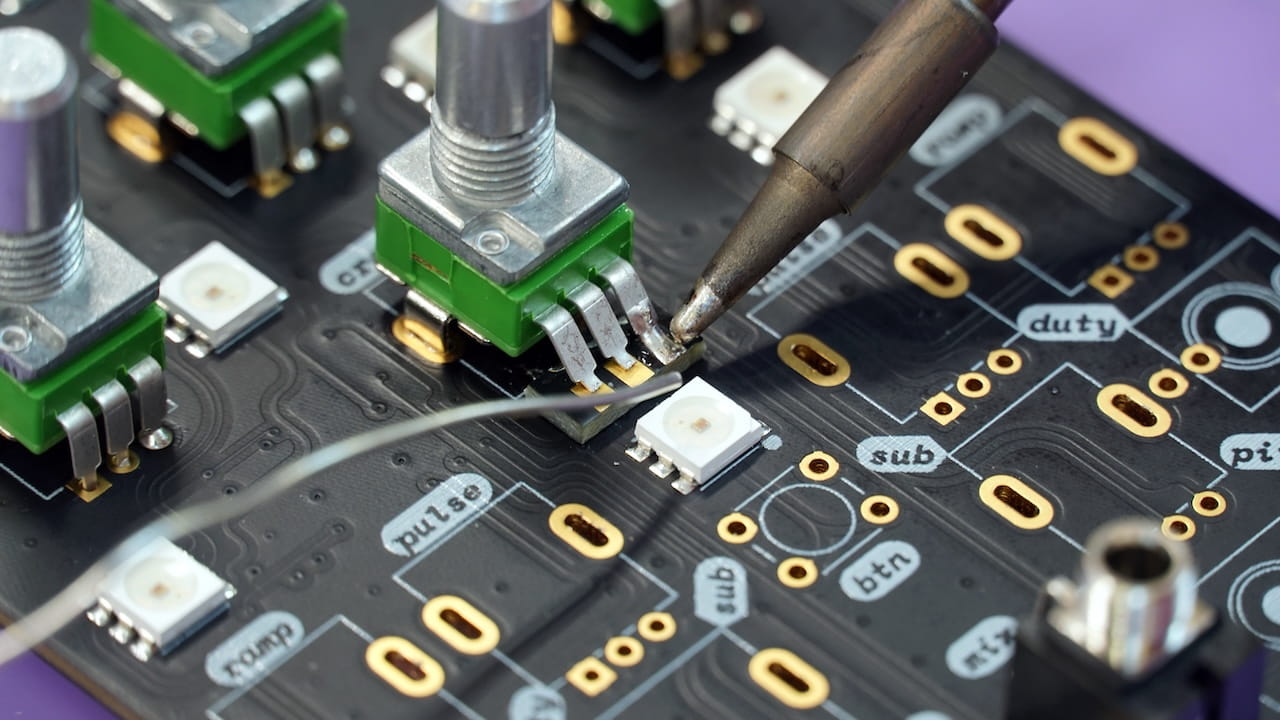
The electronics sector uses the most gold, gobbling up 69.3 tonnes in Q1, a 3 percent year-on-year increase.
Meanwhile, gold used in other industrial applications fell 8 percent to 10.4 tonnes.
The World Gold Council described gold usage in the electronics sector as “on a two-speed setting.” There is sluggishness in consumer electronics demand due to higher prices. That is being balanced by surging demand in AI applications.
“Rapidly expanding AI infrastructure boosted demand for high-reliability and high-performance chips – technical specifications override cost considerations in these applications. Meanwhile, manufacturers in the price-sensitive consumer electronics market continued their efforts to reduce or replace gold in the face of record-breaking prices.”
Gold demand for electronics grew by 5 percent in mainland China due to the expansion of its domestic supply chain.
South Korea also reported unexpectedly strong demand (up 7 percent) with high memory output and strong fab utilization rates.
Gold demand in the Taiwanese electronics sector surged by 9 percent thanks to a big boost in AI-related demand.
The U.S. also saw solid growth in demand (6 percent) on the strength of domestic AI buildouts and EV demand.
Japan (-1 percent) and Europe (-3 percent) lagged due to weak manufacturing growth and stagnant consumer demand.
According to the World Gold Council, ongoing technical upgrades are increasing gold usage in devices.
“For example, AI servers and automotive power modules require more gold to dissipate large amounts of generated heat and to guarantee reliability and longevity. As a result, the growing share of advanced applications is strengthening and diversifying demand while increasing the sector’s resilience to demand fluctuations in traditional consumer electronics.”
Gold demand in the memory and semiconductor sectors rose sharply in Q1. According to the World Gold Council, AI server shipments are driving strong demand for DRAM and NAND. Significantly higher memory requirements per server, coupled with the increasing adoption of AI-enabled PCs and mobile devices, are juicing gold demand.
The use of gold in wireless and compound semiconductors also grew in Q1 with the rollout of Wi-Fi 7 and the expansion of power amps. The automotive sector and AI data centers are using more advanced power modules, supporting gold demand.
Demand for gold in the LED sector fell modestly by 1 percent in Q1. Price pressures and structural shifts in traditional markets such as general lighting were offset by growth in “high-end applications” such as micro-LED, automotive lighting, and UV LED.
According to WGC analysts, there seems to be a rotation in tech gold demand, with many older applications using less metal, with innovations taking up the slack.
“While traditional gold wire faces substitution pressures in lower-end applications, the AI boom continues to ramp up the need for high-purity gold in advanced applications. Overall, this is more than offsetting the decline in legacy uses, reinforcing gold’s critical role in the growing high-performance semiconductor manufacturing space.”
Meanwhile, gold is essentially being phased out of dentistry with the evolution of ceramic technology. Gold used in dentistry fell below 2 tonnes for the first time in the first quarter.
Useless? Really?
Warren Buffett once said, “Gold gets dug out of the ground in Africa or someplace. Then we melt it down, dig another hole, bury it again, and pay people to stand around guarding it. It has no utility. Anyone watching from Mars would be scratching their head.”
I even once heard a commentator on a major financial network claim gold is a “useless rock.”
As you can see by the substantial demand for gold in technology and electronics, this is just silly.
In fact, gold is one of the most useful metals in the world. Due to its utility, coupled with its scarcity, gold is also one of the most valuable metals in the world.
In the first place, gold is strikingly beautiful. It has captured people’s eyes for thousands of years. That’s why people all over the world love to wear gold. About 44 percent of gold demand is for jewelry production. About 300 tonnes of gold were used in jewelry fabrication in Q1.
But gold isn’t just pretty. As already mentioned, the metal’s inherent physical and chemical properties make it useful in many industrial and technological applications.
This is why we see gold increasingly used in the tech sector. In fact, gold would probably be used even more if it weren’t so rare and expensive.
Gold is also important in the medical field. Its inherent stability and unique optical properties make it perfect for use in diagnostic testing. The World Gold Council said that gold is “at the heart of the hundreds of millions of Rapid Diagnostic Tests (RDTs) that are used globally every year.”
“This well-established and critically important technology has changed the face of disease diagnosis in the developing world over the last decade.”
Gold nanoparticles are used in testing for malaria, HIV, hepatitis, and other illnesses.
Gold has even been used in some exotic applications. In 2018, a team of Chinese researchers partially restored the sight of blind mice by replacing their deteriorated photoreceptors – sensory structures inside the eye that respond to light – with nanowires made of gold and titanium.
Meanwhile, gold serves as an integral part of U.S. efforts to land people on the moon.
The point is that gold is far from useless.
Mike Maharrey is a journalist and market analyst for Money Metals with over a decade of experience in precious metals. He holds a BS in accounting from the University of Kentucky and a BA in journalism from the University of South Florida.