RNC Joins Suit to Block Pa. Dems. from Codifying Vote Fraud

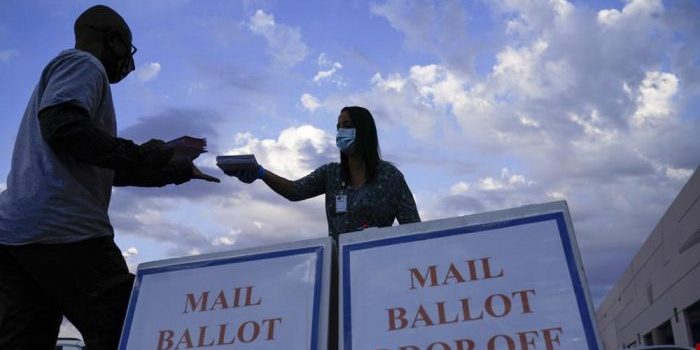
(Molly Bruns, Headline USA) The Republican National Committee and Republican Party of Pennsylvania came together to file a lawsuit to intervene with the state’s mail-in voting laws, as a contentious primary battle heads to a recount in a state that critics contend is open for vote fraud.

“The RNC has a substantial and particularized interest in ensuring that Pennsylvania carries out free and fair elections,” the application states.

“In particular, the legislature in the Commonwealth of Pennsylvania has statutorily required that mail-in ballots be dated by the elector.”

“…The RNC has an interest in assuring that elections involving Republican candidates are conducted in accordance with the laws of the Commonwealth of Pennsylvania and as affirmed by the Supreme Court of Pennsylvania.”

The law states that mail-in and absentee ballots must have a handwritten signature and date on the declaration portion of the return envelope, The Federalist reported. Ballots lacking those key elements will not be counted.

In an attempt to assuage the process, Republican Senate candidate David McCormick asked the Commonwealth Court of Pennsylvania to make every county within the state accept all mail-in ballots received before the deadline, even if they lacked the mandatory handwritten date.

Citing a ruling from the 2rd U.S. Circut Court of Appeals, McCormick hoped that the primary tally would turn in his favor.

The appeal, which was decided by a three-judge panel, favored the leftists and allowed for the counting of incomplete ballots in Lehigh County in 2021, despite the law.

The results for Pennsylvania’s Senate Republican primary have yet to be called.

In a recent update, McCormick’s opponent, Mehmet Oz, was ahead by 0.1 percent.

The RNC claims that this last-minute push by McCormick and the forthcoming decision will dictate future elections in Pennsylvania, and may compromise the delivery of secure, swift results in the future.

“Were these validly enacted laws to be cast aside—and the recent decisions of this Court and the Pennsylvania Supreme Court turned on their head—the current competitive electoral environment in Pennsylvania, in which the Republican Committees invest substantial resources in support of Republican candidates to try to win elections, would be altered or impaired,” the application states.

Biden, Fauci Tied to Monkeypox Vax-Creator

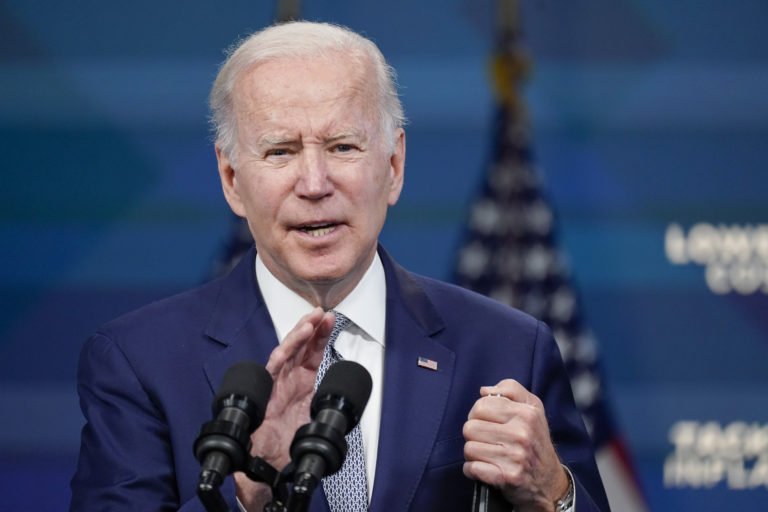
(Jim Luksic, Headline USA) Is it monkeypox or money pockets? A University of Pennsylvania document stated that President Joe Biden’s host institution was paid for assisting Bavarian Nordic in creating the MVA/BN monkeypox vaccine. 

What’s more, the business compensated Biden and Penn Biden Center (his think tank), while American taxpayers funded the vaccines and Bavarian Nordic, according to National File.

The 2014 document stated, in part: “The University of Pennsylvania is being paid by Bavarian Nordic.” The paperwork, which is filed at the Philadelphia school’s hospital and titled Consent to Participate in a Research Study and Research Subject HIPAA Authorization, refers to conducting a “Randomized open-label Phase II” clinical trial.

In 2017, Biden and UPenn joined forces; since then, the report stated, U.S. taxpayers have shelled out more than $100 million for the monkeypox cause, no thanks to President Biden’s administration literally passing the buck.

In addition, roughly $100 million was used by Dr. Anthony Fauci to fund Bavarian Nordic for what’s called the Jynneos monkeypox vaccine.

The University of Pennsylvania receives “massive” kickbacks, in conjunction with BioNtech, a partner of multinational pharmaceutical corporation Pfizer, the National File reported.

Indeed, middle-class working Americans are stuck with footing the bill for monkeypox, one of three viruses – along with COVID and bird flu (avian influenza) – that globalists are using ostensibly to satiate their greed.

In fact, “the same institute that likely created the SARS-Cov-2 virus by modifying bat viruses has now modified the Asian lineage avian influenza-A virus to be more readily transmissible and substantially more lethal,” Legal Insurrection reported.

Earlier this week, former President Donald Trump speculated that monkeypox could be another way for Democrats to justify utilizing “fake” mail-in ballots during an election year.

Uterus-Shaped Cereal Seeks to ‘Normalize’ Menstruation

(Jacob Bruns, Headline USA) In an attempt to normalize conversations about menstruation at the breakfast table, the “feminine care” brand Intimina announced that it would soon launch a uterus-shaped breakfast cereal.

The cereal, which is called “Period Crunch,” will supposedly lead to conversations about sexuality with children of all ages.

In an attempt to “make a statement” with this shameless publicity stunt, the company made the pieces of cereal shaped like female reproductive organs, and also colored them with red dyes so that they appeared bloody.

Intimina says that though the cereal will never be sold in stores, one need only send in a request to receive a free box.

According to Intimina’s Danela Zagar, the cereal is meant to encourage families to speak freely of formerly private matters.

“Because of the ongoing stigma around menstruation, period conversations remain difficult and embarrassing for people, even with loved ones.”

She also suggested that the family’s time gathering over a meal is the perfect opportunity to break barriers and have conversations about stigmatized topics.

“There’s no more normal and everyday a scene than the whole household sitting down together at the kitchen table and talking over a meal,” she said.

“And if period conversations were truly normalized, then they wouldn’t be off this table — or off any table for that matter.”

Some took to Twitter to mock the absurdity of the idea.


Mattel Releases First Transgender Barbie Doll

(Molly Bruns, Headline USA) Mattel has released their first transgender Barbie, styled after trangender actor Laverne Cox, jumping on the woke bandwagon of grooming children from the earliest of ages.

The Barbie was released as a celebration of Cox’s 50th birthday, and is dressed in a red gown, silver bodysuit and comes with high heeled boots and silver earrings, Red State reported.

“It’s been a dream for years to work with Barbie to create my own doll,” Cox said in a statement shared with TODAY Parents.

“I can’t wait for fans to find my doll on shelves and have the opportunity to add a Barbie doll modeled after a transgender person to their collection.”

The announcement was made on NBC’s TODAY show, where Cox discussed political activism and the “anti-transgender legislation” that is breaking down now that this doll is on the market.

“[Mattel has] this incredible Barbie tribute series with incredible people like (filmmaker) Ava DuVernay, and (singer) Brandy, etc. And I’m the latest person to be so honored.” Cox said.

“I think, this year particularly, when over 250 pieces of anti-transgender legislation have been introduced in state legislatures all over the country… that I hope that all the kids who are feeling stigmatized when their healthcare’s being jeopardized, their ability to play in sports, I hope they can see this Barbie and have a sense of hope and possibility… Because representation matters.”

Cox did not mention the tsunami of transgender and gay representation that has been hitting shelves at box box chain stores such as Walgreens and Target.

Mattel has also released toys such as these before, featuring gems like a gay Barbie wedding playset, genderfluid dolls and the famous gender-neutral Mr. Potato Head.

Georgia Suburbs’ Effort to Secede from Metro Atlanta Fails in Voter Referendum

(Headline USA) Voters in an affluent suburban Atlanta county rejected ballot measures that would have turned three mostly white areas into their own cities.

The three cities would have wrested key decision-making power from Cobb County, where the election of three black women in 2020 gave Democrats control of the county commission for the first time in decades.

Proponents of the cityhood measures said local residents needed adequate representation and greater control over development.

Some critics saw race as a driving factor in Tuesday’s referendums to create the cities of East Cobb, Vinings and Lost Mountain.

All three efforts failed decisively, according to unofficial results from the Georgia Secretary of State’s office.

Lisa Cupid, chairwoman of the Cobb County Board of Commissioners, told the Marietta Daily Journal that the vote “speaks for itself.”

But she added, “We have the opportunity to take the concerns and desired services into consideration as we lead our county and make it a place inclusive of all.”

Georgia’s Republican-controlled state Legislature had passed bills authorizing the three referendums, which were opposed by many Democrats.

Cobb County—home to the Atlanta Braves’ stadium—lies about 20 miles northwest of Atlanta and is one of the most populous counties in the state, with more than 760,000 residents stretching over 340 square miles.

Supporters of the cityhood measures said the county’s population had grown too much to be adequately represented by a five-member county commission.

They also argued that they wanted to preserve the suburban character of their areas, which they said was under attack by county officials intent on urbanization.

The three cities would have each taken over planning and zoning, code enforcement and parks and recreation from the county. East Cobb would have also created its own police and fire departments.

Adapted from reporting by the Associated Press

Questions Arise over Police Refusal to Storm Uvalde School

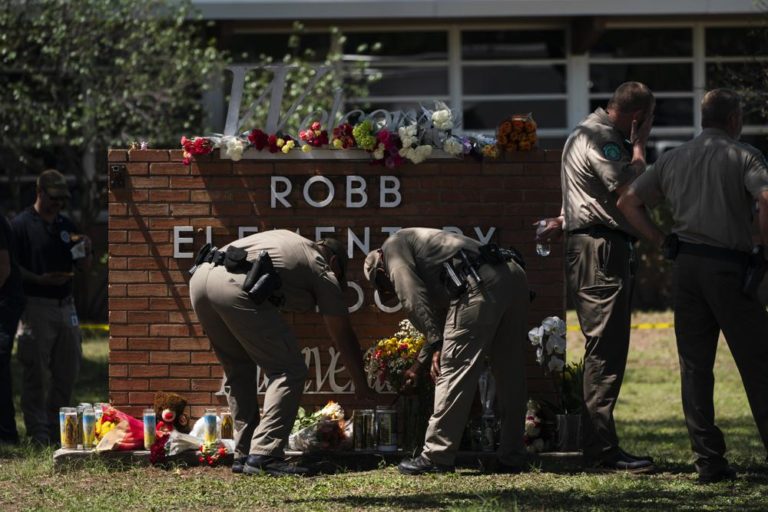
(Molly Bruns, Headline USA) In the wake of the elementary school shooting in Uvalde, Texas, questions have arisen regarding the slow response by local law enforcement.

The reports said that the shooter was in the classroom for 30-60 minutes before being engaged by border patrol officers, who stormed the classroom and engaged in a shoot out with the attacker, the Daily Caller reported.

In the timelines which have been gathered, there are inconsistencies, including whether shots were fired in an attempt to keep the attacker from entering the building.

The gunman, identified as 18-year-old Salvador Ramos, reportedly entered the building’s back door without being engaged by the officer on premises.

Rep. Tony Gonzales, R-Texas, explained that the officer on scene cornered the gunman, where a firefight took place through the door.

The officer was injured and Ramos barricaded himself in the classroom. According to Gonzales, there was a reported 30-minute lull before the gunman started shooting.

Then, the border patrol agent breached the classroom and neutralized the shooter.

One law enforcement official said the police had difficulties breaching the door and asked staff to open it with a key. There were also several contradictory reports about the length of the shooting from law enforcement.

The Citizen Free Press published video footage from outside of the school as the shooting was taking place, most of which shows police blocking parents from going inside and not taking any apparent action to go in themselves.

Several witnesses—parents, neighbors of the school —said the police did not enter the school at all. Parents even raised the idea of charging the school themselves.

“Let’s just rush in because the cops aren’t doing anything like they are supposed to,” said parent Javier Cazares. “More could have been done.”

Cazares’ fourth-grade daughter, Jacklyn, was killed in the mass shooting that took the lives of 19 children.

Antiviral Pill Paxlovid to Become More Available at COVID Testing Sites

(Headline USA) The White House on Thursday announced more steps to make the antiviral treatment Paxlovid more accessible across the U.S. as it projects COVID-19 infections will continue to spread over the summer travel season.

The nation’s first federally backed test-to-treat site is opening Thursday in Rhode Island, providing patients with immediate access to the drug once they test positive.

More federally supported sites are set to open in the coming weeks in Massachusetts and New York City, both hit by a marked rise in infections.

Next week, the U.S. will send authorized federal prescribers to several Minnesota-run testing sites, turning them into test-to-treat locations.

Federal regulators have also sent clearer guidance to physicians to help them determine how to manage Paxlovid’s interactions with other drugs, with an eye toward helping prescribers find ways to get the life-saving medication to more patients.

Despite a nationwide surge in COVID-19 cases, deaths from the virus have remained largely stable over the past eight weeks, as vaccine booster shots and widely accessible treatments have helped to delink infections and mortality.

Confirmed infections in the U.S. have quadrupled since late March, from about 25,000 a day to more than 105,000 daily now. But deaths, which have tended to lag infections by three to four weeks over the course of the coronavirus pandemic, have declined steadily and are now plateaued at fewer than 300 per day.

It’s the first time in the course of the pandemic that the two have not trended together, said White House COVID-19 coordinator Ashish Jha. He called it an important development in helping Americans get back to normal life.

“What has been remarkable in the latest increase in infections we’re seeing is how steady serious illness and particularly deaths are eight weeks into this,” he said. “COVID is no longer the killer that it was even a year ago.”

Jha said that given the wider use of at-home rapid tests, whose results often go unreported to public health officials, the true number of daily infections is likely 200,000 or more—double the reported rate—which he said only makes the death rate plateau more significant.

He credited vaccines but also a more than four-fold increase in prescriptions over the last six weeks for the highly effective treatment Paxlovid.

In all likelihood, many people have developed natural immunity following the less-virulent omicron strain, which was more akin to the flu. However, those who had vaccines to protect against it may still be subject to it should the vaccines eventually wear off.

The use of antiviral treatments can help ensure that those with mitigating conditions and risk factors do not suffer the same adverse effects.

Jha said about 25,000 to 30,000 courses of Paxlovid are being prescribed each day. When administered within five days of symptoms appearing, the drug has been proven to bring about a 90% reduction in hospitalizations and deaths among patients most likely to get severe disease.

Due to a change in the way Paxlovid is allocated to states, the number of pharmacies where it is available has doubled in the last month to almost 40,000.

“We are now at a point where I believe fundamentally most COVID deaths are preventable, that the deaths that are happening out there are mostly unnecessary, and there are a lot of tools we have now to make sure people do not die of this disease,” Jha told the Associated Press on Wednesday.

As the summer months approach, Jha said the “number one” thing people need to do is to “go and get boosted”—and if they have a breakthrough infection, they should consult with their doctor about getting Paxlovid.

He said gatherings of all sizes can take place more safely because of the tools available—if people make use of them.

“In places in the country where boosting rates are much lower, where the infection is starting to spread more, I am absolutely concerned that we’re going to see, unfortunately, we may see more serious illness,” he claimed, without evidence.

“Being vaccinated and boosted is a huge part of making sure that those kinds of activities are substantially safer,” he added. “And then, of course, we want to make Paxlovid as widely available across the entire country, so that if you do end up getting a breakthrough infection, you’re still protected against serious illness.”

The U.S. has ordered 20 million courses of Paxlovid from the drugmaker Pfizer, and the country risks running out this winter if the drug continues to be used widely.

The White House has been pressing Congress for additional funds for months to support purchasing more Paxlovid and other treatments, as well as additional boosters.

While the administration has started planning for the potential need to ration the federal supply of vaccines if Congress doesn’t act, Jha said right now his message to prescribers is that they shouldn’t worry about the supply.

“I believe that we should be using as much as it’s necessary to protect Americans now,” Jha said.

Adapted from reporting by the Associated Press

Obama Frets that Uvalde Massacre Will Eclipse George Floyd Anniversary

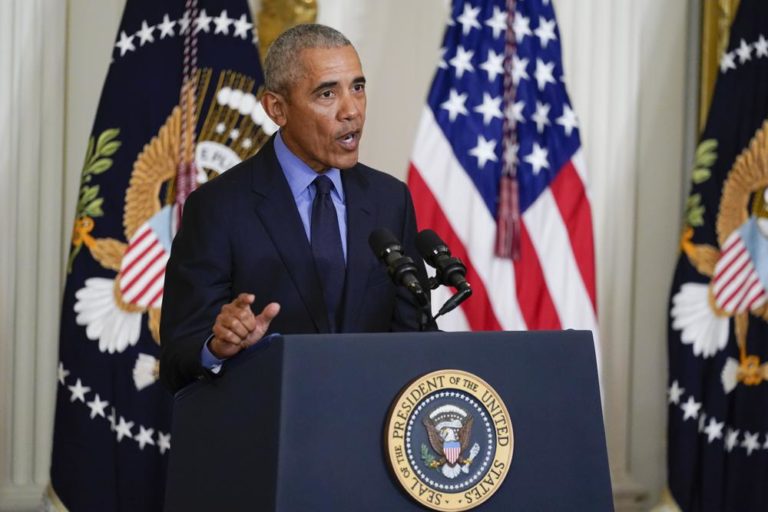
(Jacob Bruns, Headline USA) In a remarkably revealing Tweet, former President Barack Obama called attention to the fact that the shooting at an Elementary School in Uvalde, Texas, might overshadow the anniversary of the death of George Floyd.

“As we grieve the children of Uvalde today, we should take time to recognize that two years have passed since the murder of George Floyd under the knee of a police officer,” Obama tweeted.

“His killing stays with us all to this day, especially those who loved him.”

Continuing the Twitter thread, Obama suggested that Uvalde can be used to raise awareness simultaneously with the George Floyd death anniversary to inspire future political activism, Breitbart reported.

“In the aftermath of his murder, a new generation of activists rose up to channel their anguish into organized action, launching a movement to raise awareness of systemic racism and the need for criminal justice and police reform,” he added.

According to Obama, it is essential to use activism to directly influence politicians in America in order to build a progressive future.

Obama promoted one of his favorite activist organizations, called My Brother’s Keeper Alliance, as well as its “Reimagining Policing Pledge.”

“Inspired by these young leaders, MBK Alliance launched a reimagining policing pledge for mayors and cities ready to take action,” he wrote.

“If you’re wondering how you can help make things a little better today, here are some ways to get involved.

China Aims to Consolidate Influence w/ ‘Common Development’ Pacts in 10 Pacific Islands

(Headline USA) China wants 10 small Pacific nations to endorse a sweeping agreement covering everything from security to fisheries in what one leader warns is a “game-changing” bid by Beijing to wrest control of the region.

A draft of the agreement obtained by the Associated Press shows that China wants to train Pacific police officers, team up on “traditional and non-traditional security” and expand law-enforcement cooperation.

China also wants to jointly develop a marine plan for fisheries—which would include the Pacific’s lucrative tuna catch—increase cooperation on running the region’s internet networks, and set up cultural Confucius Institutes and classrooms. China also mentions the possibility of setting up a free-trade area with the Pacific nations.

China’s move comes as Foreign Minister Wang Yi and a 20-person delegation begin a visit to the region this week.

In Washington, U.S. State Department spokesman Ned Price expressed concern Wednesday about China’s intentions, saying Beijing might use the proposed accords to take advantage of the islands and destabilize the region.

“We are concerned that these reported agreements may be negotiated in a rushed, nontransparent process,” Price told reporters. He warned that China “has a pattern of offering shadowy, vague deals with little transparency or regional consultation in areas related to fishing, related to resource management, development, development assistance and more recently even security practices.”

Price added that agreements that include sending Chinese security officials to the nations “could only seek to fuel regional international tensions and increase concerns over Beijing’s expansion of its internal security apparatus to the Pacific.”

Wang is visiting seven of the countries he hopes will endorse the “Common Development Vision”—the Solomon Islands, Kiribati, Samoa, Fiji, Tonga, Vanuatu and Papua New Guinea.

Wang is also holding virtual meetings with the other three potential signatories—the Cook Islands, Niue and the Federated States of Micronesia. He is hoping the countries will endorse the pre-written agreement as part of a joint communique after a May 30 meeting in Fiji he is holding with the foreign ministers from each of the 10 countries.

Micronesia’s president, David Panuelo, has told leaders of the other Pacific nations his nation won’t endorse the plan, warning it would needlessly heighten geopolitical tensions and threaten regional stability, according to a letter from Panuelo obtained by the AP.

Among other concerns, Panuelo said, the agreement opens the door for China to own and control the region’s fisheries and communications infrastructure. He said China could intercept emails and listen in on phone calls.

Panuelo called the Common Development Vision “the single most game-changing proposed agreement in the Pacific in any of our lifetimes” and said it “threatens to bring a new Cold War era at best, and a World War at worst.”

Panuelo declined to comment on the letter or the proposed agreement.

Chinese Foreign Ministry spokesperson Wang Wenbin said Wednesday he didn’t know about Panuelo’s letter.

“But I don’t agree at all with the argument that cooperation between China and the South Pacific island countries will trigger a new Cold War,” he said.

Like some other countries in the Pacific, Micronesia is finding itself increasingly caught between the competing interests of Washington and Beijing.

Micronesia has close ties to the U.S. through a Compact of Free Association. But it also has what Panuelo describes in his letter as a “Great Friendship” with China that he hopes will continue despite his opposition to the agreement.

The security aspects of the agreement will be particularly troubling to many in the region and beyond, especially after China signed a separate security pact with the Solomon Islands last month.

That pact has raised fears that China could send troops to the island nation or even establish a military base there, not far from Australia. The Solomon Islands and China say there are no plans for a base.

The May 30 meeting will be the second between Wang and the Pacific islands’ foreign ministers after they held a virtual meeting last October.

Those who follow China’s role in the Pacific will be scrutinizing the wording of the draft agreement.

Among its provisions: “China will hold intermediate and high-level police training for Pacific Island countries.”

The agreement says the countries will strengthen “cooperation in the fields of traditional and non-traditional security” and will “expand law enforcement cooperation, jointly combat transnational crime, and establish a dialog mechanism on law enforcement capacity and police cooperation.”

The agreement would also see the nations “expand exchanges between governments, legislatures and political parties.”

The draft agreement also stipulates that the Pacific countries “firmly abide” by the one-China principle, under which Taiwan, a self-ruled island democracy, is considered by Beijing to be part of China.

It would also uphold the “non-interference” principle that China often cites as a deterrent to other nations speaking out about its human rights record.

The agreement says that China and the Pacific countries would jointly formulate a marine spatial plan “to optimize the layout of the marine economy, and develop and utilize marine resources rationally, so as to promote a sustainable development of blue economy.”

China also promises more investment in the region by mobilizing private capital and encouraging “more competitive and reputable Chinese enterprises to participate in direct investment in Pacific Island countries.”

China also promised to dispatch Chinese language consultants, teachers and volunteers to the islands.

The AP has also obtained a draft of a five-year action plan that’s intended to sit alongside the Common Development Vision, which outlines a number of immediate incentives that China is offering to the Pacific nations.

In the action plan, China says it will fully implement 2,500 government scholarships through 2025.

“In 2022, China will hold the first training program for young diplomats from Pacific Island countries, depending on the pandemic situation,” the draft plan states, adding that China will also hold seminars on governance and planning for the Pacific nations.

In the draft action plan, China says it will build criminal investigation laboratories as needed by the Pacific nations that can be used for fingerprint testing, forensic autopsies, and electronic forensics.

China also says it will also spend an additional $2 million and send 200 medics to the islands to help fight COVID-19 and promote health, and promises to help the countries in their efforts to combat climate change.

Adapted from reporting by the Associated Press

Blue-City Residents Continue Mass Exodus to Rural, Red Regions

(Headline USA) Eight of the 10 largest cities in the U.S. lost population during the first year of the pandemic, with New York, Los Angeles and Chicago leading the way, leftist enclaves where misguided policies have led to record crime, homelessness and drug abuse.

Between July 2020 and July 2021, New York lost more than 305,000 people, while Chicago and Los Angeles contracted by 45,000 residents and 40,000 people, respectively.

Although San Francisco’s not among the 10 largest cities, almost 55,000 residents left that city, or 6.3% of its 2020 population, the highest percentage of any U.S. city.

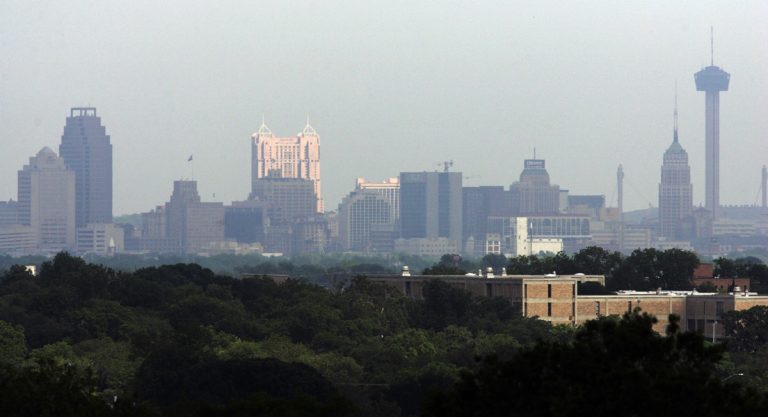
Among the 10 largest U.S. cities, only San Antonio and Phoenix gained new residents, but they added only about 13,000 people each, or less than 1% of their populations, according to 2021 vintage population estimates.

Among the largest U.S. cities, Austin and Fort Worth in Texas; Jacksonville, Florida; Charlotte, North Carolina; and Columbus, Ohio also registered modest population gains, red-state territory, for the most part, where sound policies led to quicker and safer reopening from the pandemic.

Other cities that grew more than 5% were North Port and Port St. Lucie in Florida; Spring Hill, a city near Nashville, Tenn.; and three Idaho cities, Caldwell, Meridian and Nampa.

The pandemic and the lockdown that followed in spring 2020 made living in a crowded city less appealing for a time, and those who could leave—workers who could do their jobs remotely, for example—sometimes did.

The radical leftist politics and violent crime that took root in many of the major metropolitan areas also are likely to have been contributing factors, as were the excessive taxation and cost-of-living in Democrat-led municipalities.

It remained unclear what impact the migration might have on the former urban-dwellers’ new destinations. Some Republican leaders, such as Florida Gov. Ron DeSantis, have actively warned blue-state newcomers to check their politics at the door lest they lead to the same sort of systemic failures.

Demographer William Frey of the far-left Brookings Institution said he believes the population declines in most of the largest U.S. cities from 2020 to 2021 are “short-lived and pandemic-related.”

When it came to growth rates, as opposed to raw numbers, the fastest-growing cities with populations of at least 50,000 residents were in the suburbs of booming Sunbelt metro areas. They included Georgetown and Leander outside Austin; the town of Queen Creek and the cities of Buckeye, Casa Grande and Maricopa, outside Phoenix; the city of New Braunfels, outside San Antonio; and Fort Myers, Florida. They had growth rates of between 6.1% and 10.5%.

As metro Austin has grown by leaps and bounds, so has Georgetown, located more than 25 miles north of the Texas capital, said Keith Hutchinson, the city’s communications manager. The city grew by 10.5%, the most in the nation last year, and now has 75,000 residents.

“It’s not really a surprise,” Hutchinson said. “People are moving here for jobs.”

The estimates also showed population declines of 3% to 3.5% in New Jersey cities outside New York, such as Union City, Hoboken and Bayonne. Similar declines occurred outside San Francisco in Daly City, Redwood City and San Mateo, as well as Cupertino in Silicon Valley.

Lake Charles, Louisiana, which was devastated by Hurricane Laura in 2020, lost almost 5% of its residents, the second-highest rate in the U.S. behind San Francisco.

Though the Category 4 storm was the driver there, elsewhere, the pandemic created opportunities to move.

Andrew Mazur, 31, had been wanting for some time to leave Philadelphia for South Florida where he grew up, and the chance to work remotely in his job at a large professional services firm arrived in November 2020. He joined almost 25,000 residents who left Philadelphia between 2020 and 2021.

“I’m not going back. It has been great,” Mazur said. “Philly, New York, Chicago—tons of people from there are moving down here.”

Adapted from reporting by the Associated Press