

(Mike Maharrey, Money Metals News Service) A move by China could exacerbate already tight silver supplies.
Chinese officials have indicated they will stop exports of sulfuric acid beginning next month. The ban could last through the rest of 2026.
According to Mining.com, “Some sulfuric acid producers in the country recently received notifications about the change, and one large buyer has been told about it by their Chinese supplier, according to people familiar with the matter, who asked not to be identified discussing confidential information.”
You’re probably wondering what this has to do with silver.
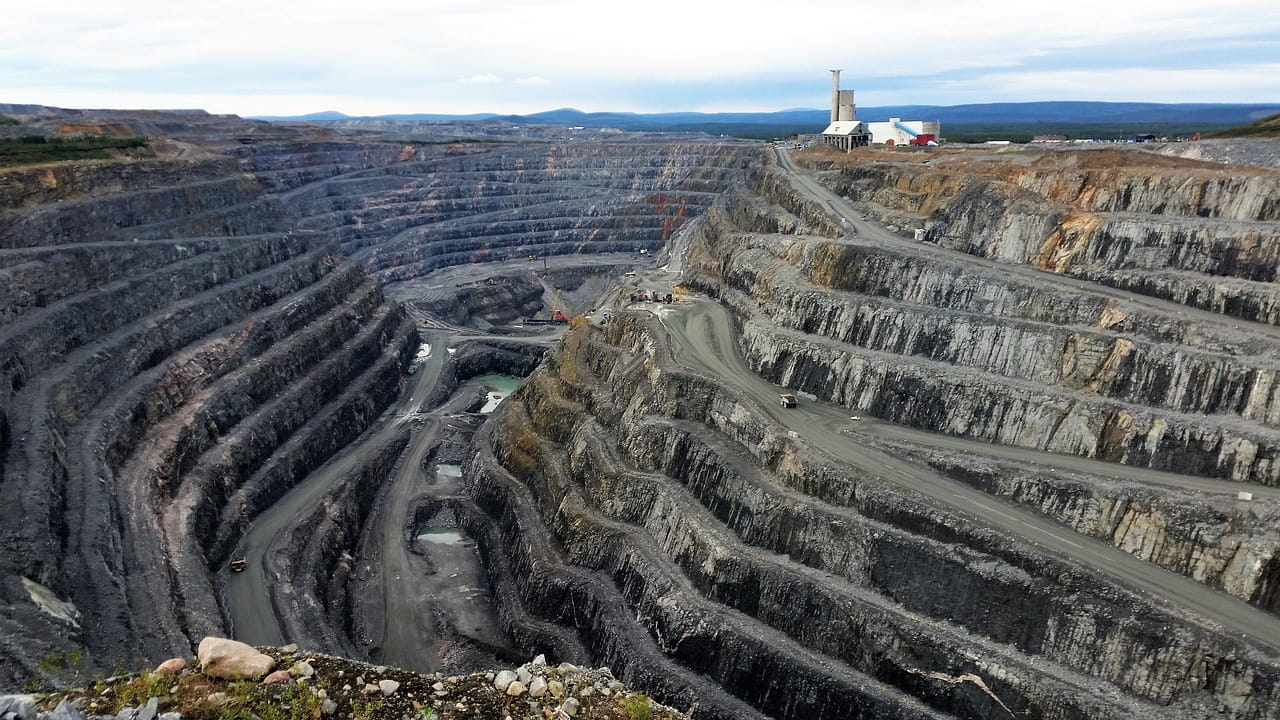
Well, sulfuric acid is a key input in copper mining. Miners pour the acid over crushed ore to dissolve out the copper. A significant shortage of sulfuric acid, or even spiking prices, could impact copper output.
You’re probably thinking, OK, Mike. But copper isn’t silver.
Here’s the catch. About 70 percent of the annual silver mining supply is a byproduct of copper production.
Blue Line Futures Chief Market Strategist Phillip Streible summed it up succinctly.
“Less copper mined means less silver produced.”
Iran War Logistics Problems
The Iran conflict has squeezed global sulfuric acid supplies, and prices have skyrocketed in recent weeks. The Middle East produces about one-third of the world’s sulfur, and the closure of the Strait of Hormuz has limited outbound shipments.
According to Mining.com, “That squeeze will hit the copper-mining industries in key producers such as Chile, the Democratic Republic of Congo and Zambia.”
China will reportedly stop exports of the acid to protect its domestic supply.
Chile ranks as the world’s top copper producer. Sulfuric acid prices in the South American Country have already spiked by 44 percent in the last month. Chile buys around 1 million tonnes of acid from China annually.
According to an acid analyst quoted by Mining.com, “the loss of Chinese volumes will be difficult to offset, given the parallel shortage of sulfur feedstocks.”
Even with some apparent progress in resolving the conflict, some analysts say the damage to the sulfuric acid supply is already done, and China will likely keep the export ban in place for an extended period.
Silver Market in a Multi-Year Supply Deficit
This comes at a time when the silver supply is already under significant pressure.
Silver demand is forecast to outstrip supply for the sixth straight year in 2026, driven by a 20 percent increase in physical investment offtake.
Based on preliminary data compiled by the Silver Institute, silver demand outstripped supply by about 95 million ounces last year, leading to the fifth straight market deficit. Including last year’s shortfall, the 5-year market deficit will climb above 800 million ounces, an entire year of mining output.
When silver demand exceeds the supply generated by mining and recycling, users are forced to tap into above-ground stocks. This generally requires higher prices to incentivize those holding silver to release it into the market.
Persistent supply shortfalls have taken their toll on above-ground stocks. According to the Economic Times of India, “Inventories across COMEX, London vaults, and Shanghai have steadily declined over recent years, reinforcing concerns about tightening physical availability.”
London Bullion Market Association vaults have lost around 40 percent of their holdings over the last five years, while COMEX registered inventories in the United States are down nearly 70 percent. Meanwhile, Shanghai inventories have fallen to their lowest level in a decade.
The shortage of metal was a factor in the two recent silver squeezes that drove the price to over $100 per ounce.
It’s unclear just how much China’s move will impact copper mining and silver production by extension, but it is definitely worth watching. It is yet another factor pressuring the persistent silver shortages.
Mike Maharrey is a journalist and market analyst for Money Metals with over a decade of experience in precious metals. He holds a BS in accounting from the University of Kentucky and a BA in journalism from the University of South Florida.
