


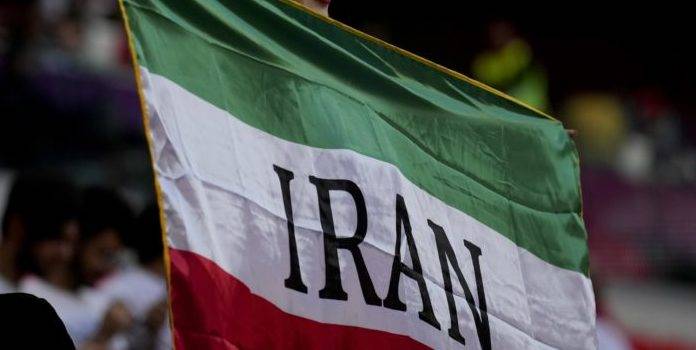
(Dave DeCamp, Antiwar.com) President Trump signed the Memorandum of Understanding with Iran while in France on Wednesday night, and Iran confirmed that Iranian President Masoud Pezeshkian had also signed the agreement.
Esmaeil Baghaei, Iran’s Foreign Ministry spokesman, said there will no longer be a formal signing ceremony in Geneva, which was initially scheduled for Friday. He said that the agreement is now officially in effect, which should mean an end to the US blockade of Iran and an increase in the number of ships passing through the Strait of Hormuz in the coming days and weeks. The US and Iran are also set to begin nuclear negotiations for a period of at least 60 days.
Baghaei stressed that the MoU includes an end to Israel’s war in Lebanon, where Israeli strikes continued on Wednesday. “For us, the ceasefire and end of war in Lebanon were as important as in Iran. In the first article of the MoU, Lebanon is mentioned three times. Respect for Lebanon’s territorial integrity and national sovereignty is included,” he said.
Earlier on Wednesday, President Trump said that the Memorandum of Understanding (MoU) between Washington and Tehran was “not final” and warned the US could return to “dropping bombs” on Iran if the country “didn’t behave.”
“It’s a Memorandum of Understanding. If I don’t like it, if they don’t behave, we’ll go right back to dropping bombs right smack in the middle of their head, okay? Because they’ve misbehaved for 47 years,” the president told reporters on the sidelines of the G7 summit in France while meeting with Egyptian President Abdel-Fattah el-Sissi, according to The Associated Press.
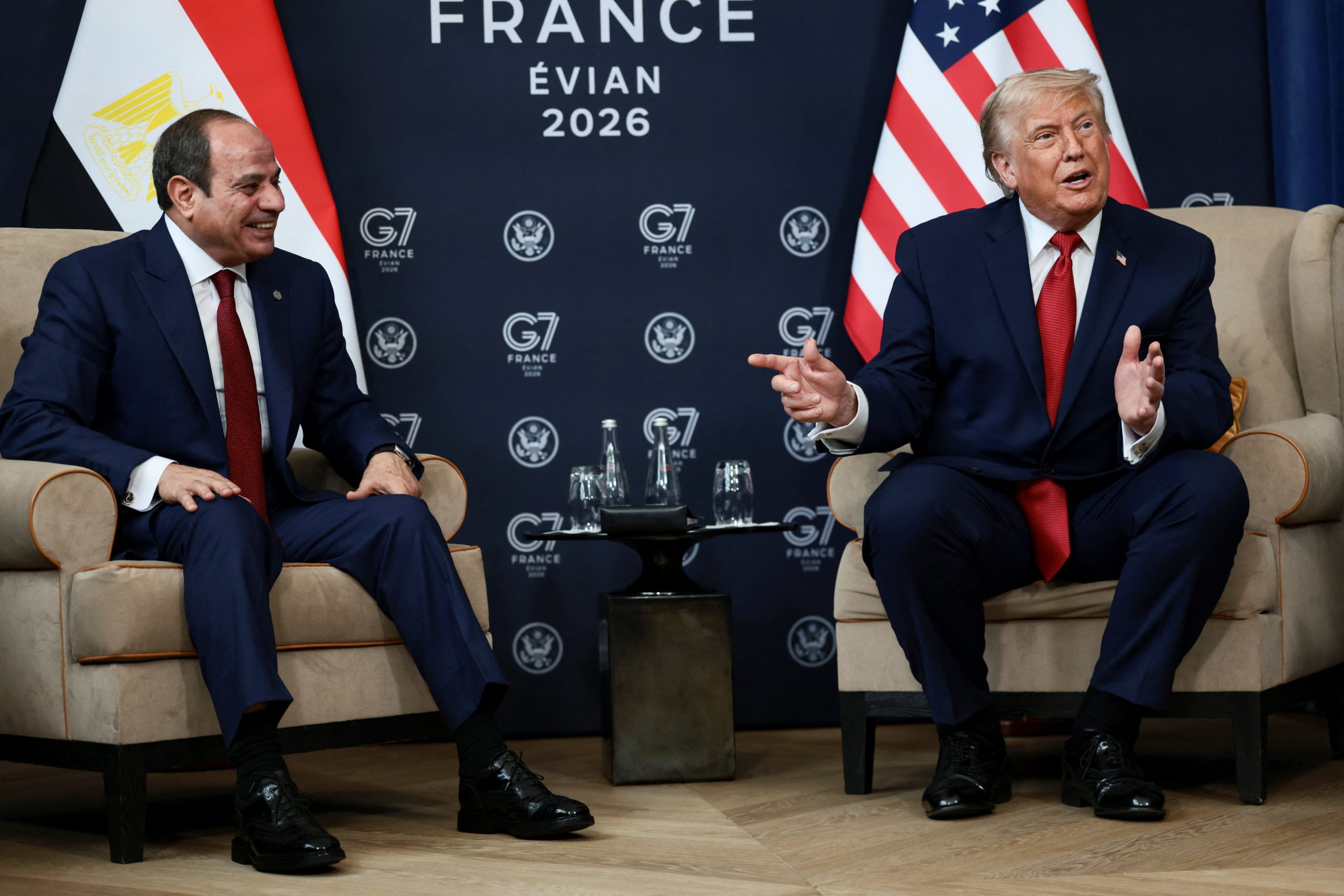
Trump said the deal is a “great deal for a lot of reasons” and appeared to suggest that what has been published in the media is not the actual text by saying that “nobody knows what it is,” though later, US officials released the full MoU text, and it was very similar to what was published in Al Arabiya a day earlier.
The president also acknowledged in his remarks that if the US continued the blockade on Iran and the Strait of Hormuz remained closed, it would cause a “worldwide depression.”
Iranian media reported on Wednesday that since the announcement of the MoU, 11 ships have been able to “break through the US blockade,” including eight that departed Iranian ports and three that arrived in Iran. The US military issued a notice to mariners on Monday, saying the blockade was still in place and advising ships not to cross the area “until explicit direction is given.”
This article originally appeared at Antiwar.com.